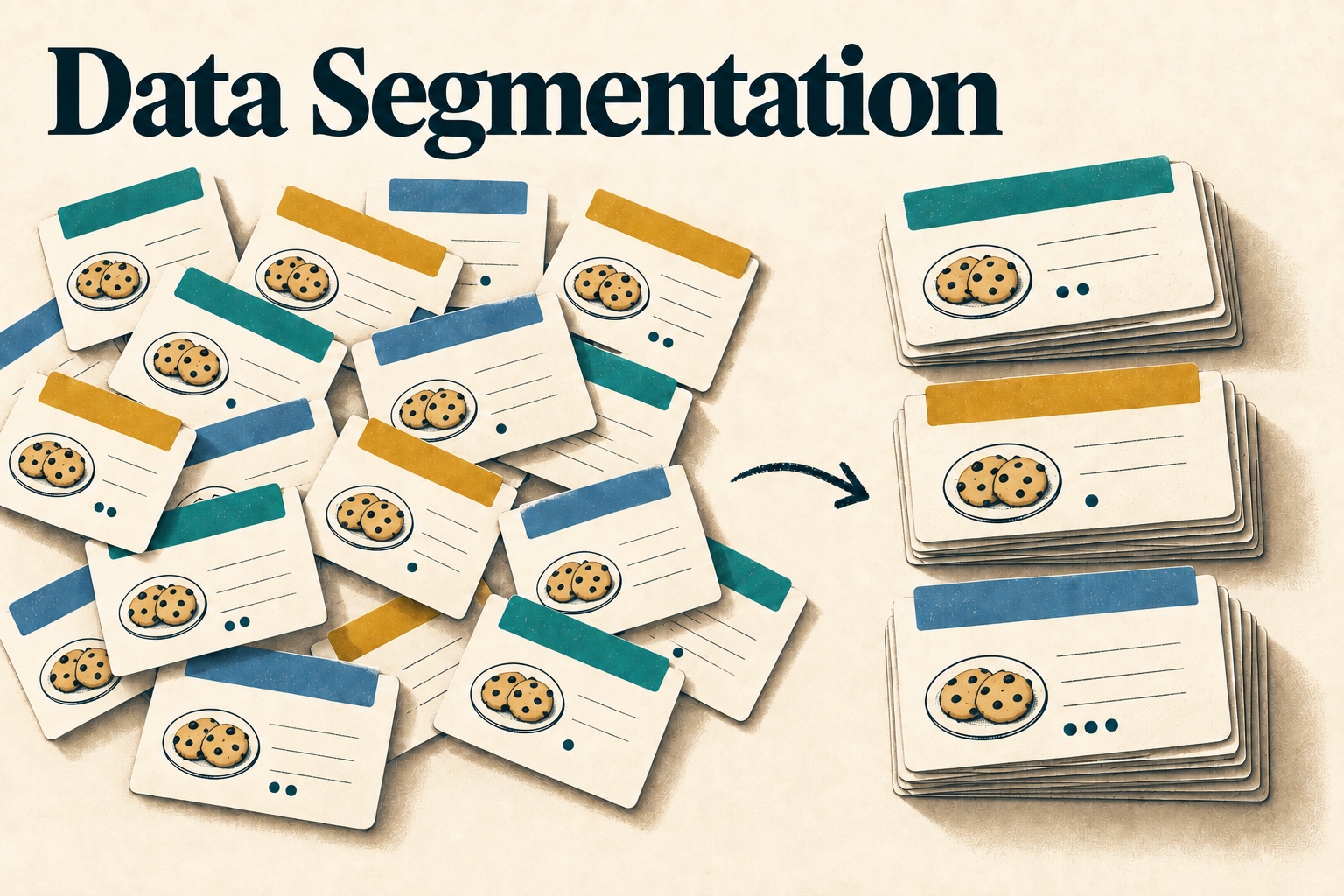
You have months of tasting results, but can you spot what recurring issues have in common? Learn how a few well-chosen tags can reveal useful patterns, guide investigations, and help you get more from the sensory data you already collect.
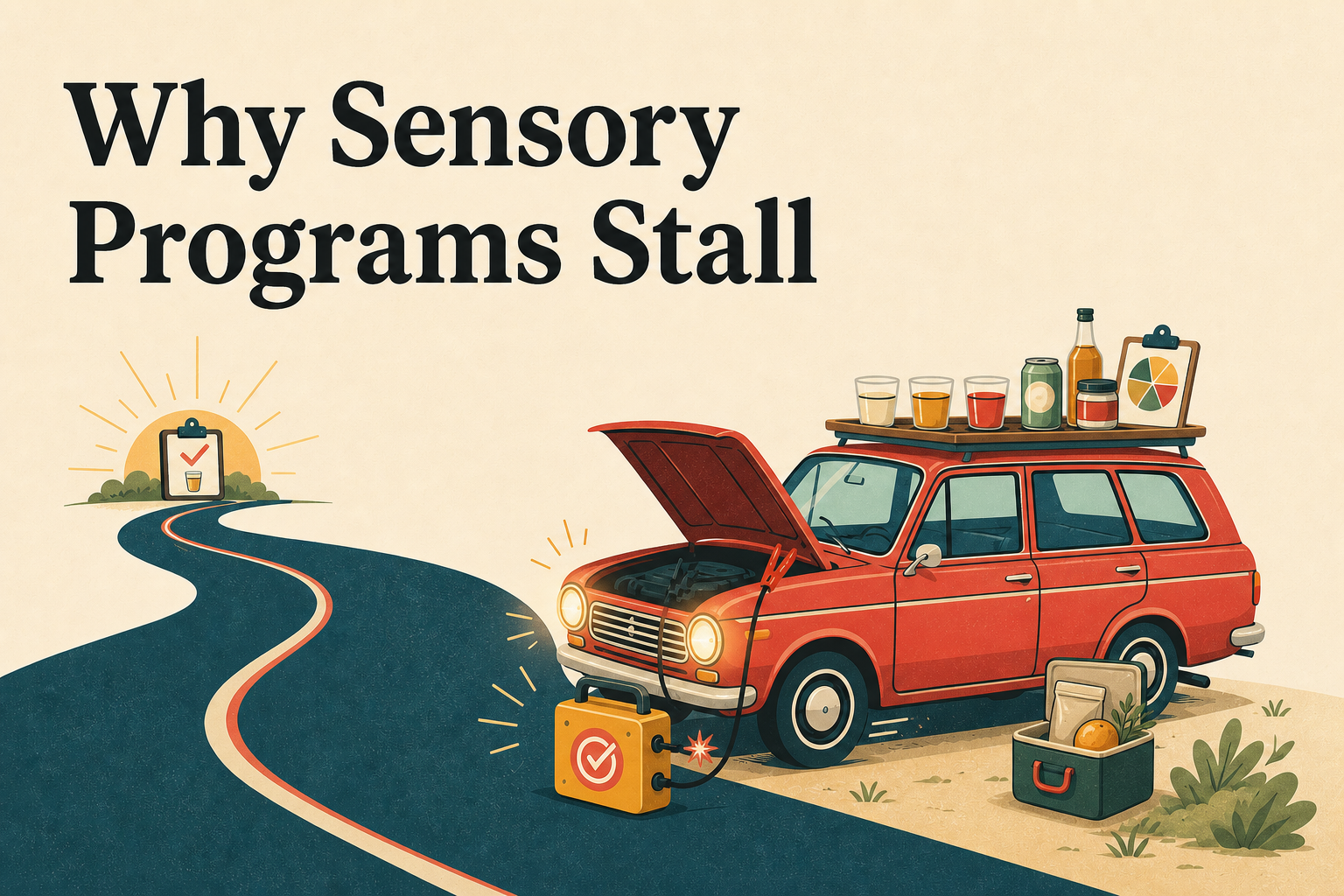
Sensory programs naturally evolve as products, responsibilities, and priorities change. A focused reset can restore momentum by reconnecting the program to clear decisions, meaningful participation, and visible value while building on what already works.
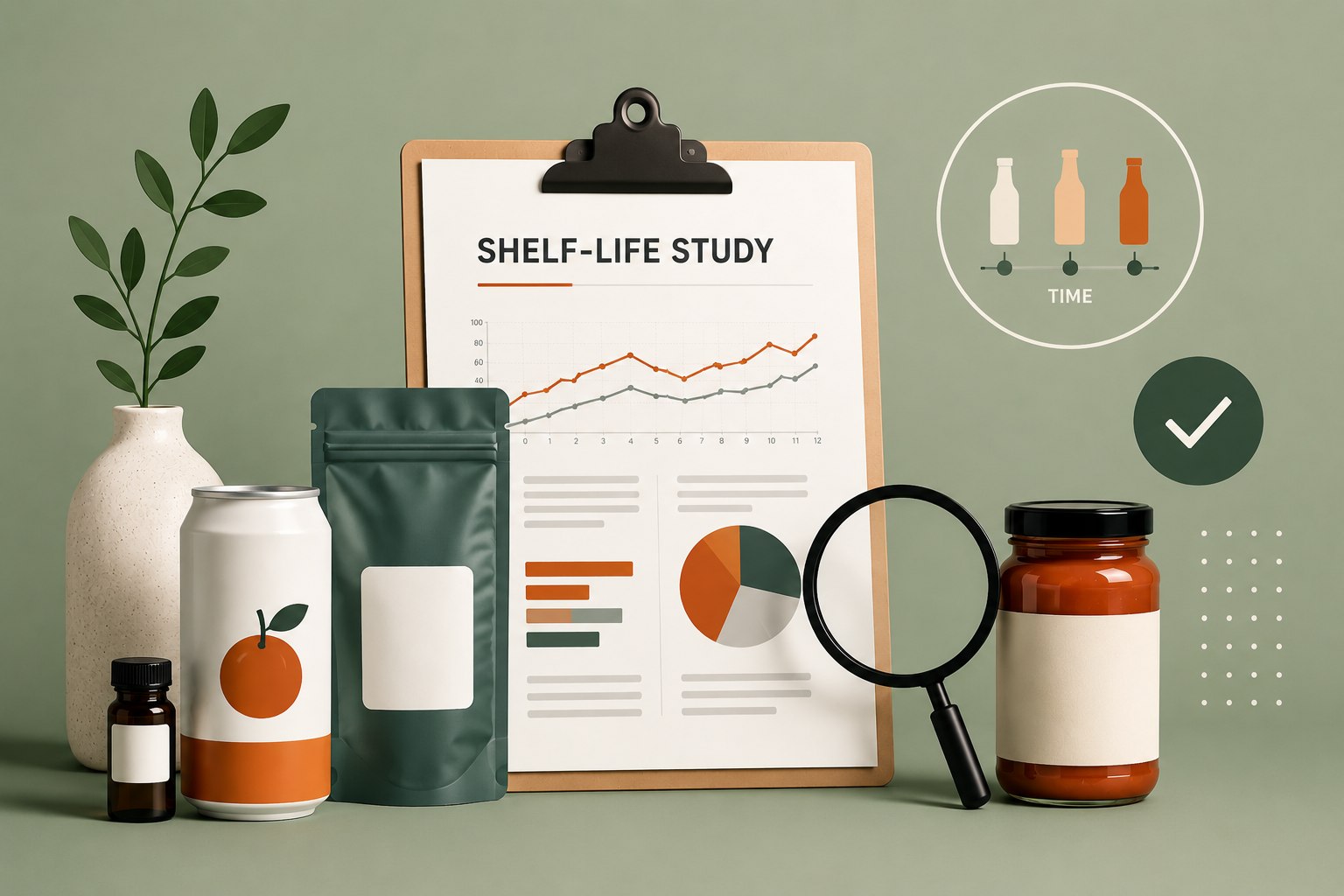
Quality shelf life focuses on the consumer experience over time, not just product safety. Learn what quality shelf-life testing is, how it differs from traditional shelf-life testing, and why sensory approaches matter throughout shelf-life studies.
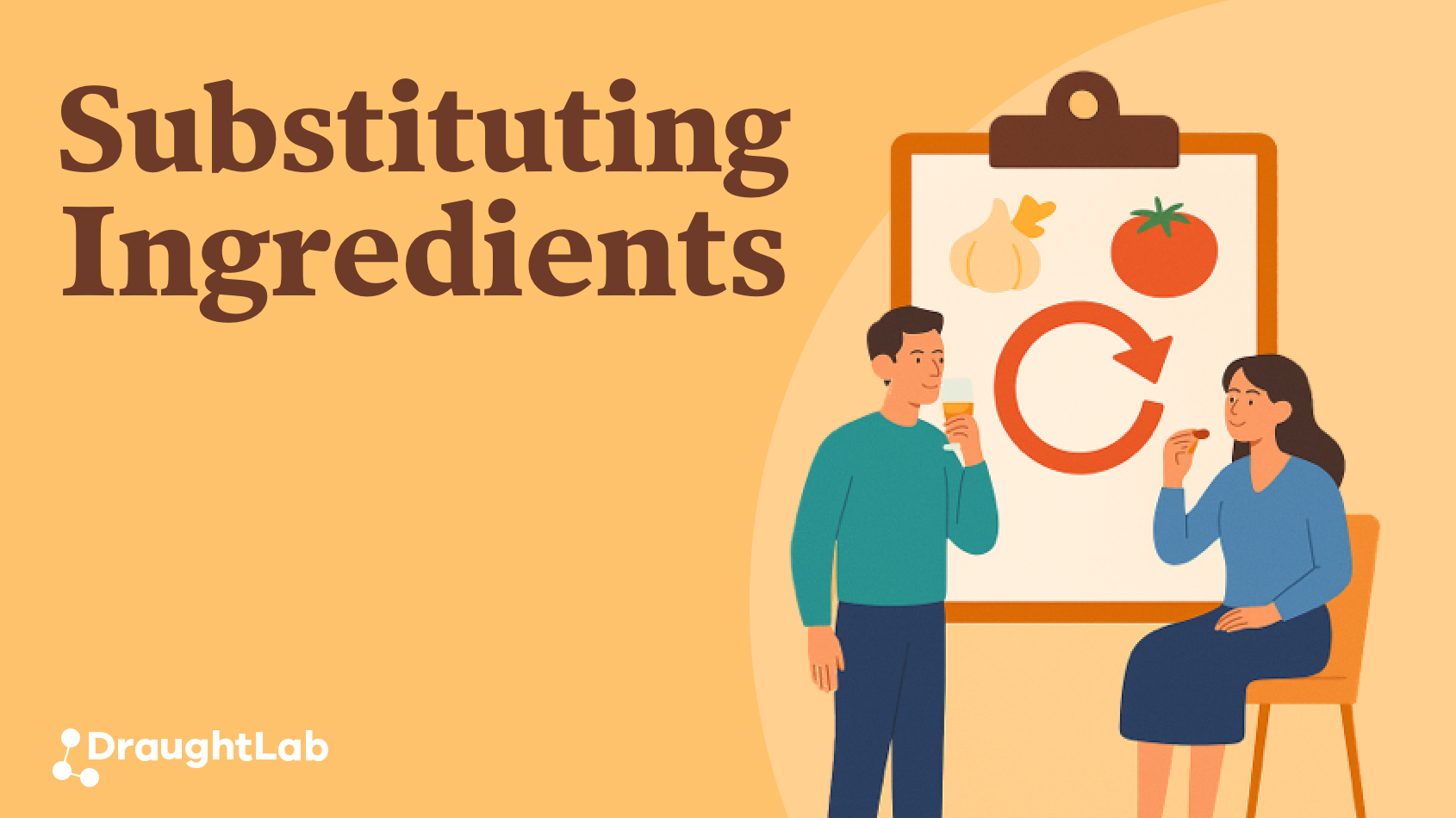
Ingredient substitutions are part of product development, but understanding their impact can be challenging. Learn how structured tastings help teams evaluate flavor changes and make confident decisions.
A healthy QC taste panel is a powerful tool for product quality. Learn three signs that your panel is engaged, effective, and ready to protect product consistency.
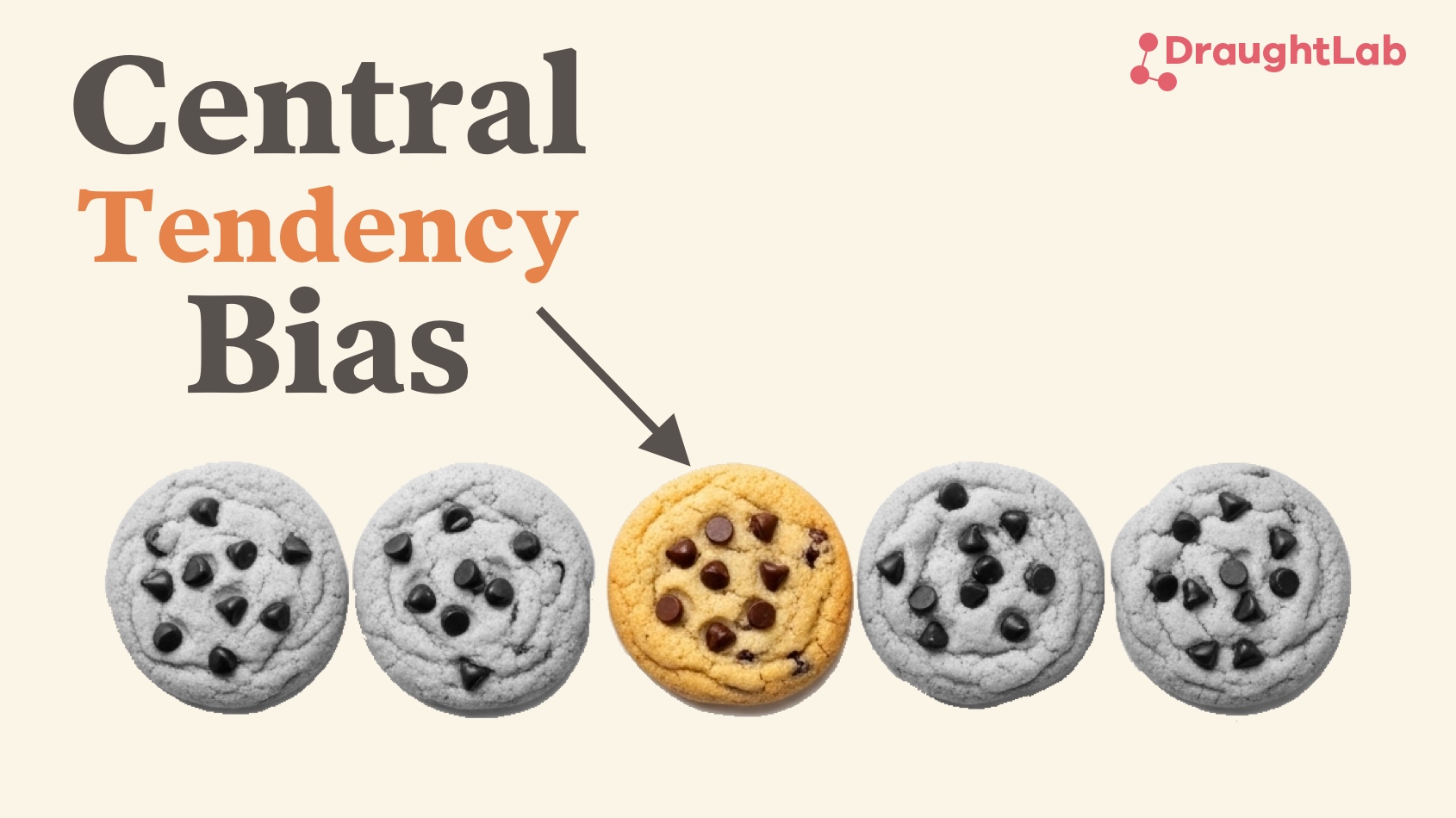
Central tendency bias can compress sensory data and make meaningful product differences harder to see. Learn how it affects scaling tests, triangle tests, and panel results.
Brand recognition training helps sensory panels identify products, describe flavor differences, and catch swapped or drifting samples with more confidence.
Preference can feel like a risk in quality-control tasting. Learn what hedonic and true-to-target data says about liking, flag rate, and panel reliability.
The halo effect can turn a product question into a social question. Learn how independent evaluations and careful facilitation can protect sensory data.