Good research opportunities are worth noticing. When a product question appears at the same time as a useful tasting audience, a team can sometimes collect meaningful consumer data without building a large, expensive study from scratch.
That was the case with a question about thiolized yeast. Thiols are organic sulfur compounds that can contribute powerful aromatic qualities across many food and beverage products. In beer, thiol-producing yeast strains can change aroma and flavor in noticeable ways.
The research question was practical: what impact do thiols have on consumer preference and perception?
A quick primer on consumer research
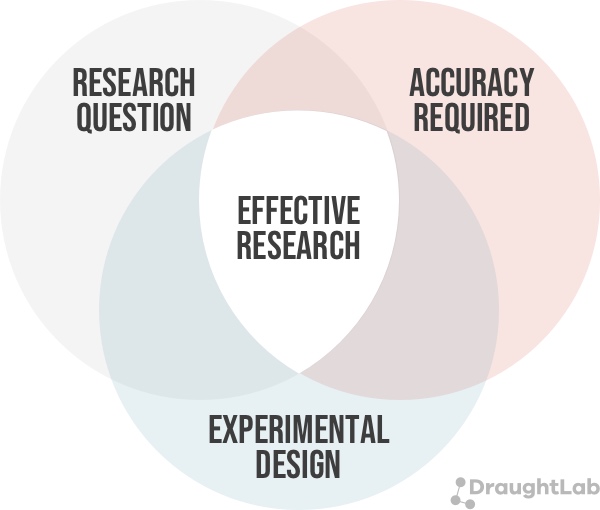
Consumer research helps teams understand how people perceive, prefer, and respond to products. Because humans are complicated, the most useful studies start with alignment between three things: the research question, the accuracy required, and the experimental design.
Some consumer questions require formal recruiting, controlled environments, and high statistical confidence. Others need directional learning that can guide the next product decision. The method should match the stakes.
Use opportunities that already exist
In this case, the team already had access to two brewers conferences. Those events created a natural opportunity to reach hundreds of attentive brewers from different locations. Better yet, those brewers were also the kind of people who would understand and potentially buy yeast products.
That audience did not make the study perfect, but it made the study relevant. The opportunity aligned well with the research question, which made it worth using.
The tasting design
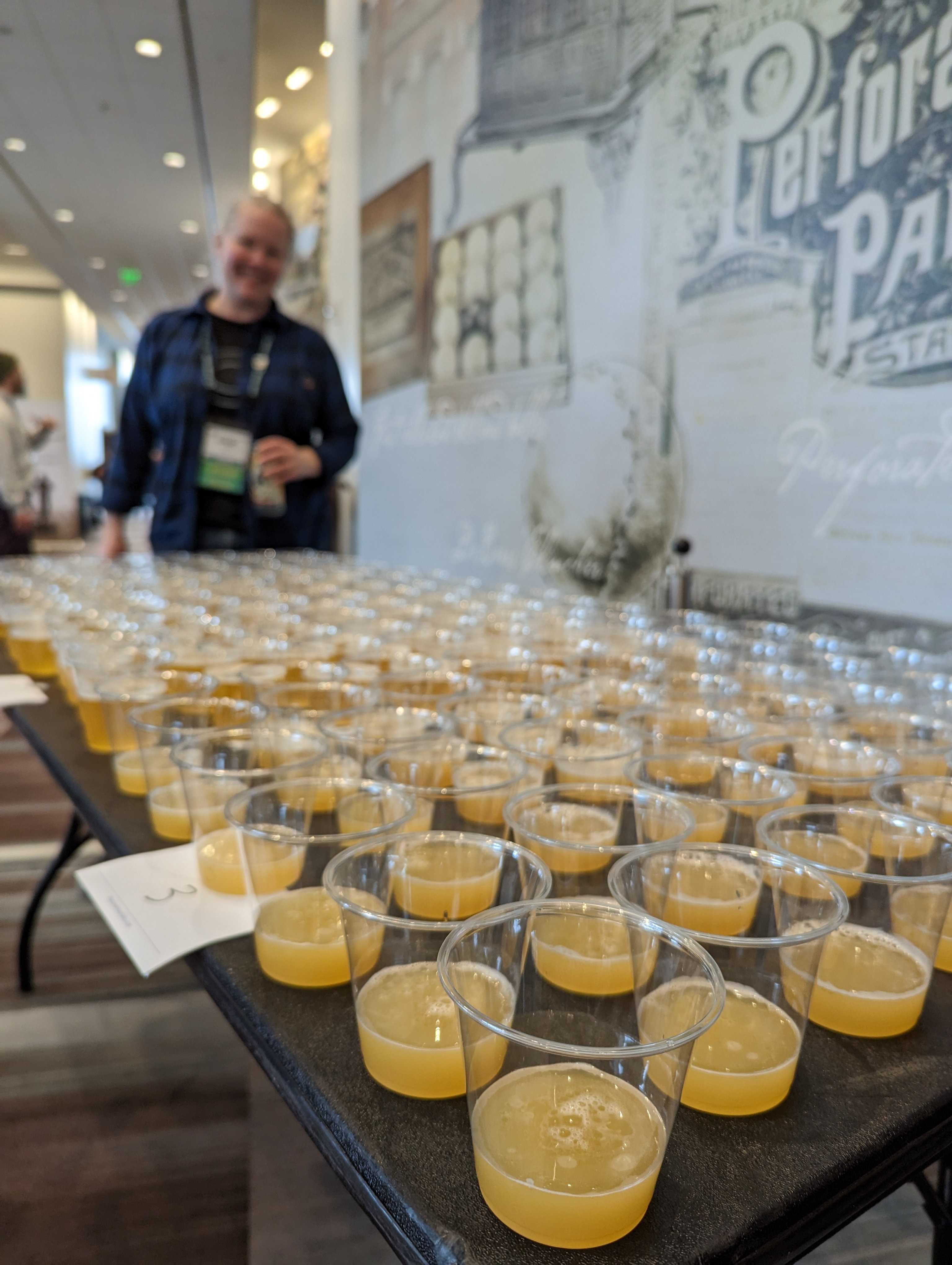
To measure the flavor impact of thiols, two Pilsner-style beers were produced with the same recipe. One was fermented with a thiol-producing yeast strain, and the other was fermented with the brewery's current yeast strain.
Participants tasted both samples, rated how much they liked each one, and selected flavor attributes from a predetermined lexicon. That gave the study two useful data streams: consumer liking and flavor perception.
The results
Across two presentation locations, the study collected feedback from 240 individual tasters. Two findings stood out.
- Flavor attributes: the thiolized sample was associated primarily with tropical, citrus, and bitter flavors. The control sample leaned more cereal or bready, grassy or herbal, and bitter.
- Consumer liking: tasters liked both samples, but the shape of the liking data was different. The control sample showed a more normal liking distribution, while the thiolized sample showed a more polarized, bimodal pattern.
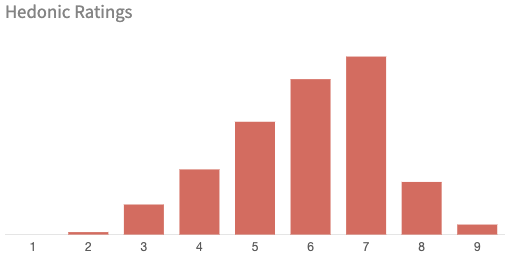
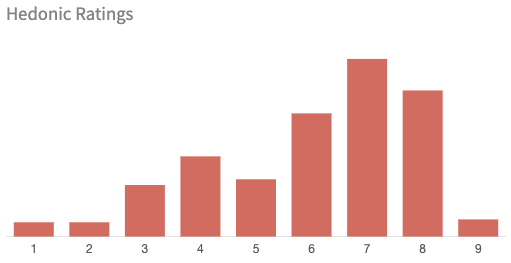
The thiolized sample appeared to create stronger segmentation. Many tasters liked it, but a distinct group rated it lower. That kind of pattern is valuable because average liking alone can hide a product that is exciting to one group and challenging to another.
The important research lesson
The most interesting part was not just the flavor result. The data replicated closely across two locations with different groups of tasters and varying levels of training.
That replication suggests the method was robust enough for the question being asked. The study was not run under perfectly controlled laboratory conditions, but it still produced meaningful, consistent results because the opportunity, audience, method, and required accuracy were aligned.
Look for practical consumer testing moments
Useful consumer research does not always require a massive study. A conference, tasting room, sampling event, pilot launch, or product demo can become a learning opportunity when the design is clear and the question is focused.
The key is to decide what level of confidence the decision requires. For lower-risk directional learning, opportunistic consumer testing can help teams move quickly. For higher-stakes launches, a more formal design may still be needed.