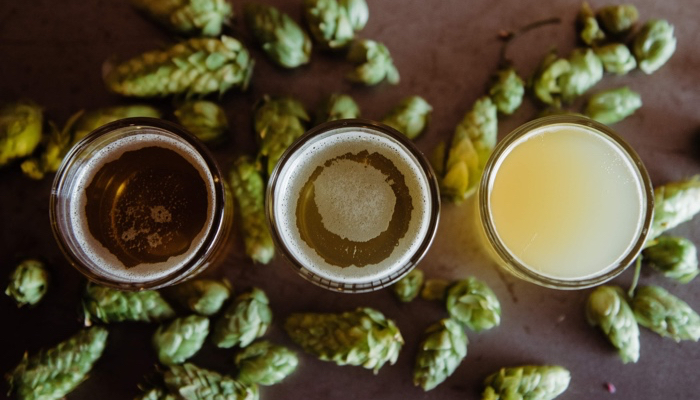
The 2020 hop harvest was marked by heavy wildfire smoke in the Yakima and Willamette valleys, where much of the U.S. hop crop is grown. Beyond the serious community and land impacts, smoke raised an urgent product-quality question: how much of that smoke showed up in the hops?
To understand how suppliers were handling the issue, the original article spoke with Tiffany Pitra and Patrick Jensen from Yakima Chief Hops. Their team used sensory work to evaluate smoke impact, guide harvest decisions, and determine what to do with affected lots.
Why sensory was the fastest tool
During the 2020 harvest, the sensory team at Yakima Chief Hops evaluated 1,430 hop samples in six weeks. That pace matters. Analytical testing can be powerful, but it often requires sample preparation, method development, and enough time to process results.
For rapid harvest decisions, trained panelists offered a faster and more accessible way to flag smoke aroma. Sensory evaluation helped the team move quickly while analytical methods were less practical at harvest scale.
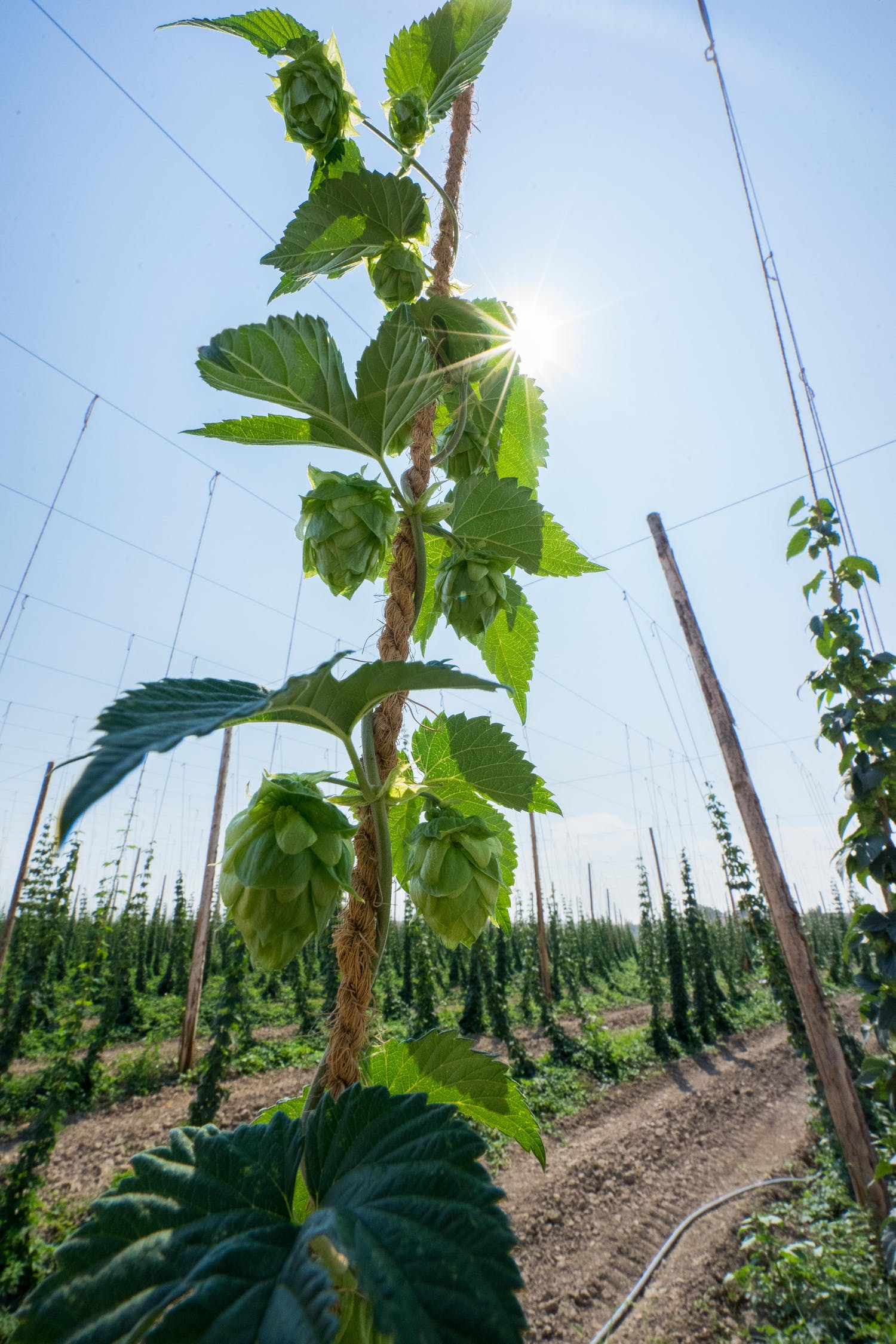
Evaluating samples during harvest
The first question was how much of the crop had been affected and whether future harvest timing should change in smoky years. The YCH sensory panel flagged about 15% of the hop crop for smoke aroma, then connected those lots to harvest days with the worst air quality.
The working explanation was exposure. Plants at the edge of a field may experience smoke differently than plants in the middle, but during harvest every trellis can be directly exposed to smoky air. Sensory data gave the team a way to connect field and timing conditions to lot-level quality risk.
Turning smoke flags into disposition decisions
Once lots were flagged, the next step was deciding what to do with them. Some affected lots could be converted into extract, though smoke character could still carry through. Others needed quarantine, monitoring, or additional review before release.
Those decisions required confidence in how smoke moved from hops into beer. To study that, YCH made beers with different hopping techniques and asked a trained panel to evaluate smoke in both hops and beer.
Using CATA to connect hops and beer
The panel used check-all-that-apply, often called CATA, to identify attributes present in each sample. CATA can be useful when a team needs a fast way to measure whether a term, such as smoky, is being perceived across many samples.
The work showed that smoke aroma could be substantially reduced when smoky hops were added on the hot side of the brewing process. That reduction was not observed in the same way for beers made with cold-side hop additions. For cold-side applications, blending smoky lots with untainted hops helped reduce smoke impact in the final beer.
What hop smoke impact teaches quality teams
Wildfire smoke will continue to be a raw-material risk for many agricultural products. Sensory QC gives teams a way to respond when a fast product decision is needed and when analytical testing alone is too slow, expensive, or disconnected from perception.
The key is preparation. Smoke-specific training, clear flagging methods, standard terminology, and repeatable tasting workflows help panelists move quickly when quality issues show up during harvest, production, or receiving.
Build sensory into raw-material decisions
Raw-material quality can change quickly, and the impact may not be obvious until the material is used in a finished product. A strong sensory program can connect supplier lots, processing choices, and finished product performance.
For teams managing hops, ingredients, or supplier variability, quality-control tasting and structured sensory training can make those decisions more consistent and easier to defend.