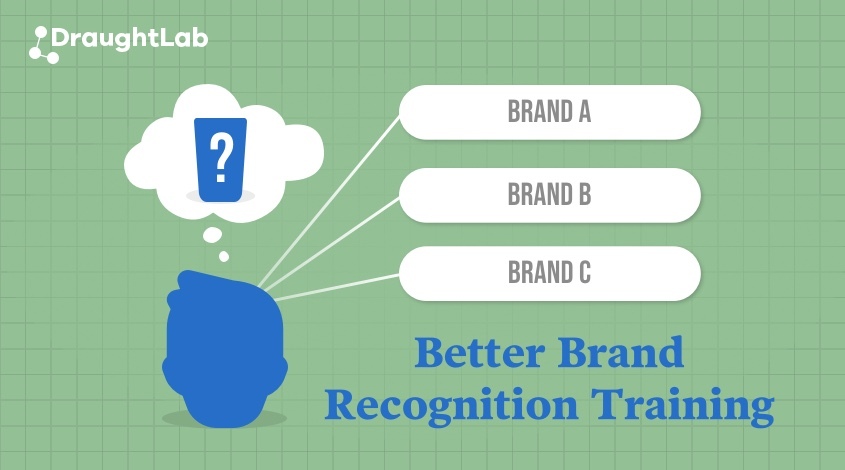
A common way to check a panel's readiness is to give tasters a sample that should fail. One simple version is to tell the panel they are tasting one brand, then secretly serve a similar brand instead. If panelists miss the swap, it can feel alarming.
That result is more common than many teams expect. Similar products can be hard to tell apart, especially when tasters have not been trained to describe each brand's specific sensory profile. Brand recognition training gives panels a practical way to build that skill.
What is brand recognition training?
Brand recognition training helps tasters recognize and differentiate the products in your portfolio. The goal is not just to memorize a product name. The goal is to help tasters understand the flavor, aroma, appearance, and mouthfeel cues that make each product distinct.
When panelists can explain what makes a product recognizable, they are better prepared to spot meaningful inconsistencies, identify swapped samples, and support decisions in quality control, product development, and brand management.
Why similar brands can be hard to identify
Many brands are intentionally close to one another. A product line may share the same base, ingredient family, processing approach, or target consumer experience. Without structured practice, panelists may notice that samples are different without knowing which cues matter most.
Training helps turn vague impressions into specific observations. Instead of saying that two samples are "close," panelists can learn to describe one as slightly sweeter, more aromatic, more bitter, cleaner, heavier in body, or more expressive of a key flavor note.
How to run brand recognition training
The simplest version of this exercise is a guided tasting. Bring tasters together, serve a few products, and ask the group to describe each product's sensory profile. Focus the discussion on the cues that help people tell products apart.
To make the exercise stronger, follow the discussion with a blind tasting. Present the same samples in a randomized order, ask tasters to identify each product, then provide feedback and allow the panel to re-taste. This gives people a chance to connect their written observations with the correct product identity.
A practical session can follow this sequence:
- Select a small set of similar products that panelists should be able to distinguish.
- Discuss the expected sensory profile of each product before the blind portion begins.
- Serve coded samples in a randomized order.
- Ask tasters to identify each sample and write down the cues that informed their answer.
- Reveal the answers, discuss missed samples, and let tasters revisit the products.
How to test your panel effectively
Brand recognition tests work best when the setup keeps panelists focused on sensory differences, not packaging, expectations, or serving-order clues.
- Hide sample identity with neutral vessels, such as black cups when appearance should be masked.
- Randomize sample order so tasters cannot rely on sequence.
- Use blind codes instead of product names during evaluation.
- Give feedback at the end of the tasting and allow tasters to re-taste the samples.
- Record performance so panelists and panel leaders can see progress over time.
- Repeat the exercise with different product sets to improve accuracy across the portfolio.
Use brand recognition training as panel calibration
A missed swapped sample does not automatically mean a panel is failing. It may mean the group needs more calibration around the product set. Brand recognition training gives panel leaders a constructive way to close that gap.
Over time, these exercises can help panels build shared language, improve confidence, and make quality discussions more specific. For teams running ongoing quality checks, structured sensory training can also support more consistent panel performance across products, people, and production cycles.